Failed Reflective Foil Insulation: A Common Mistake We See Across Australia

Home / Insights / Failed Reflective Foil Insulation: A Common Mistake We See Across Australia
Picture of Peter Hinton
Peter Hinton

Peter is a licensed builder with over 45 years of experience in the construction industry. In 2012, his expertise in energy efficient construction inspired the invention of ThermaDoor Premium garage door insulation - the original purpose made garage door insulation in Australia.
Failed Reflective Foil Insulation: A Common Mistake We See Across Australia

Every week, we get the same call. It’s from a frustrated homeowner who tried to solve a problem. Their garage is an unbearably hot in summer and freezing cold in winter. They paid for what they thought was effective reflective garage door insulation, glued directly to their sectional or tilt door, and after all that, they have come to a simple, disappointing conclusion:
 
“It made no difference”.
 
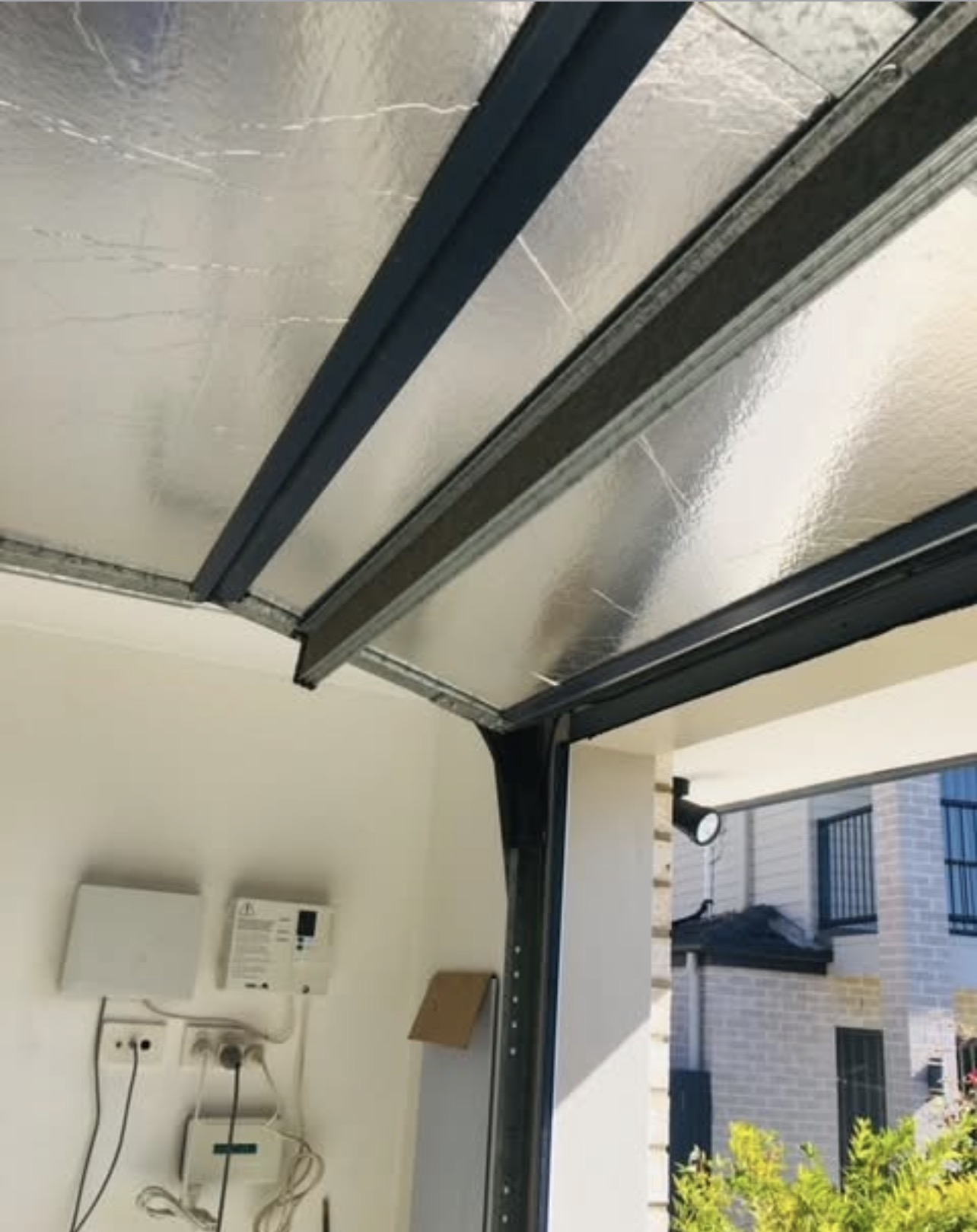
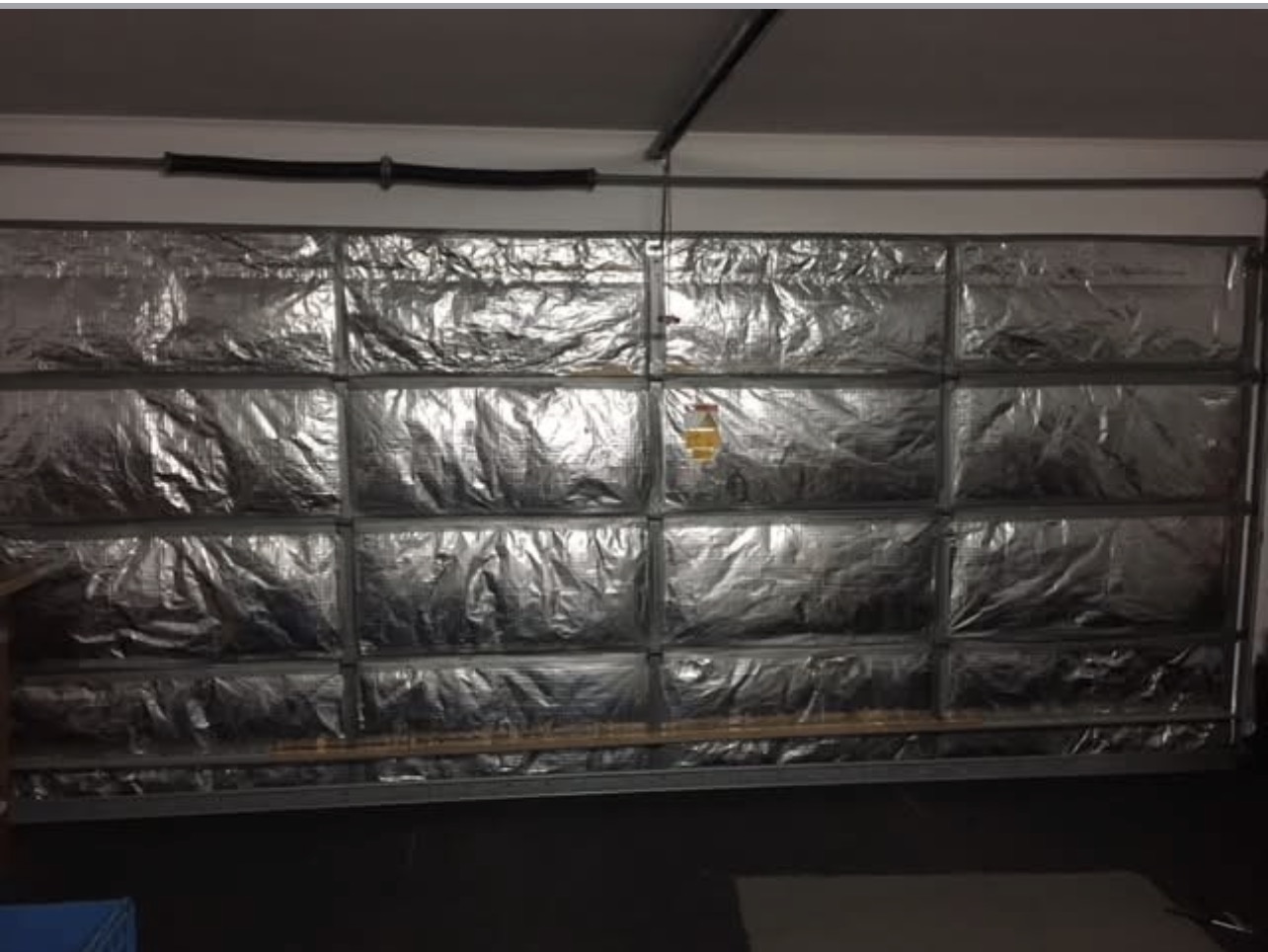
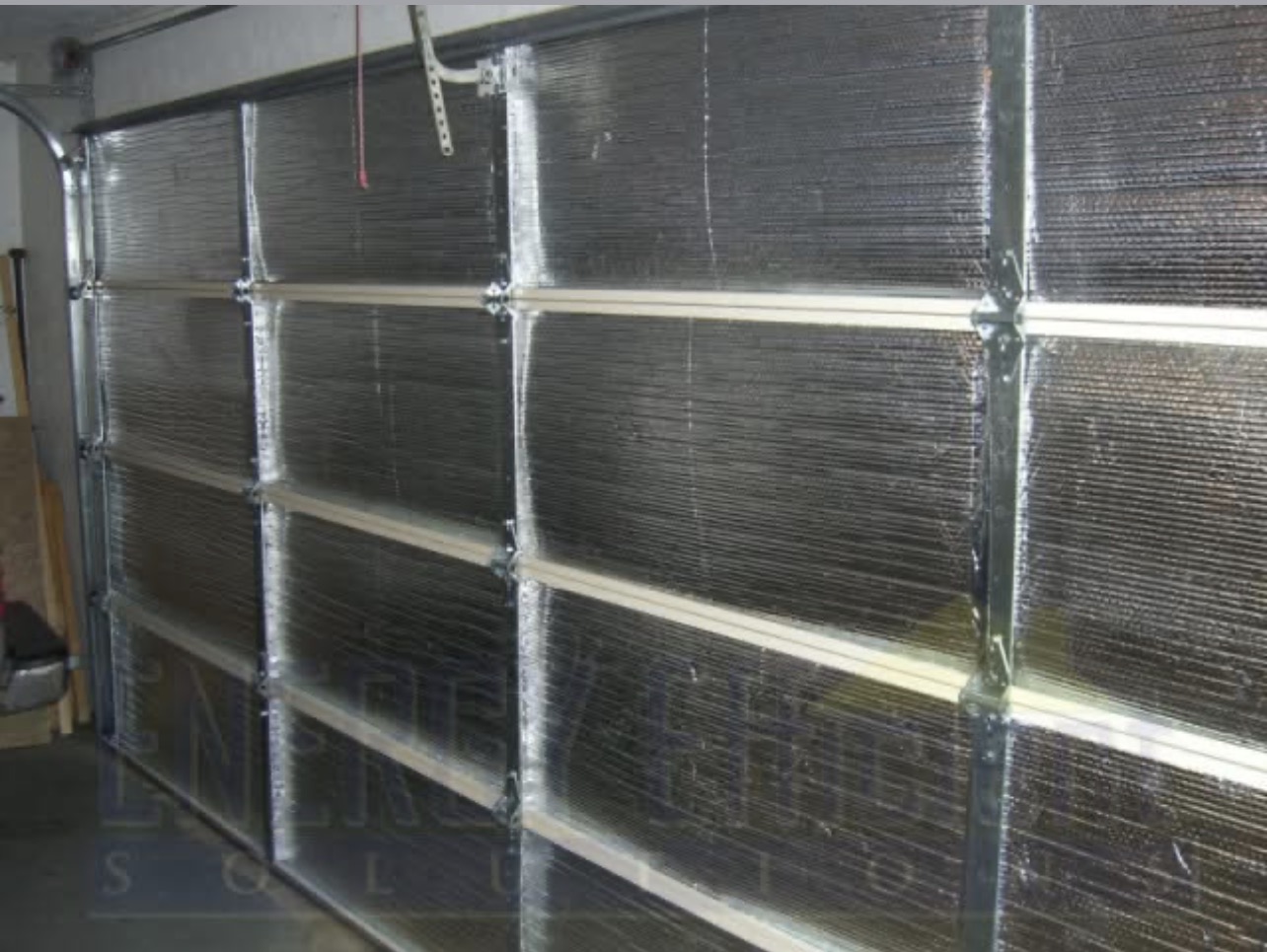
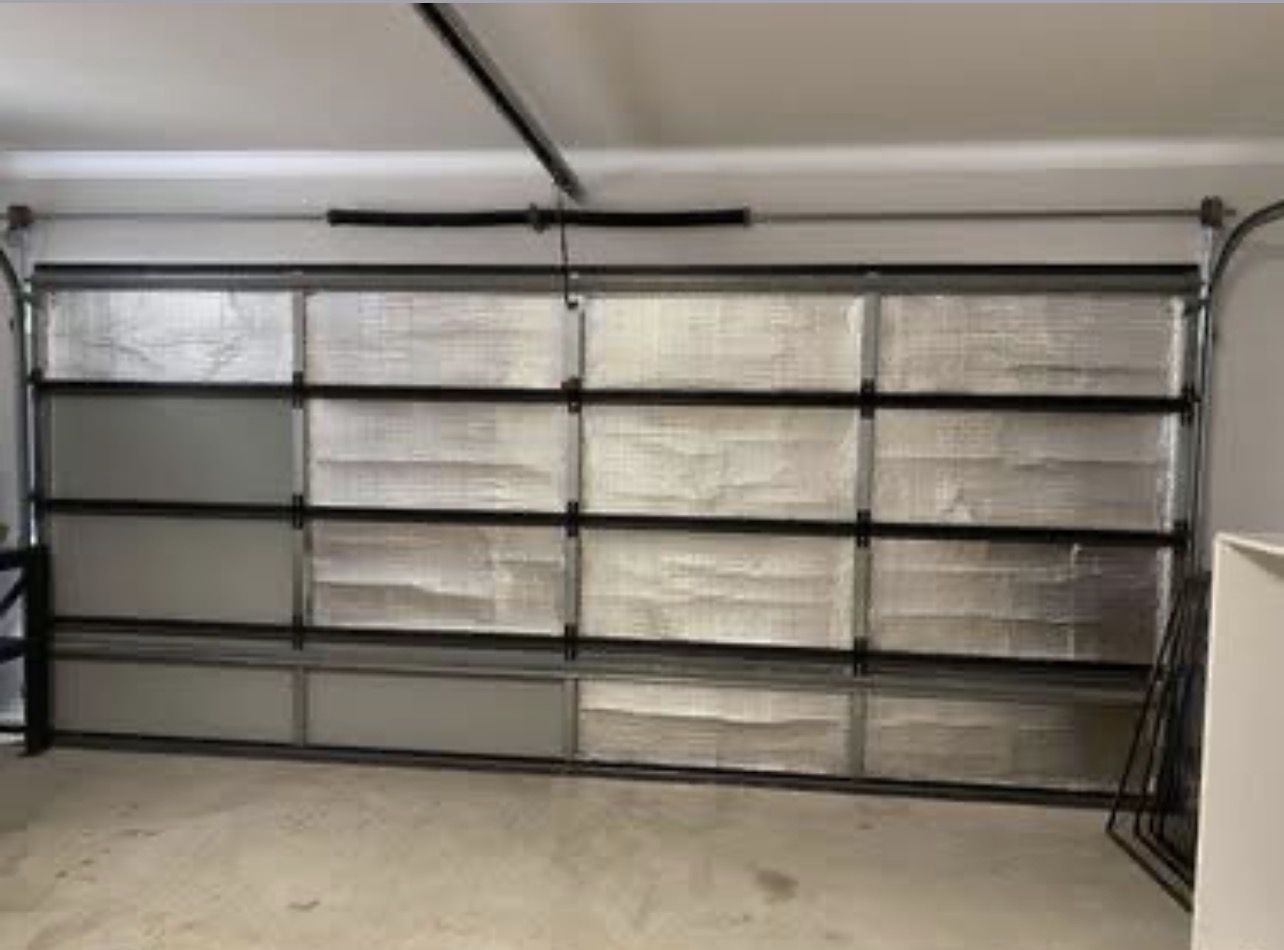
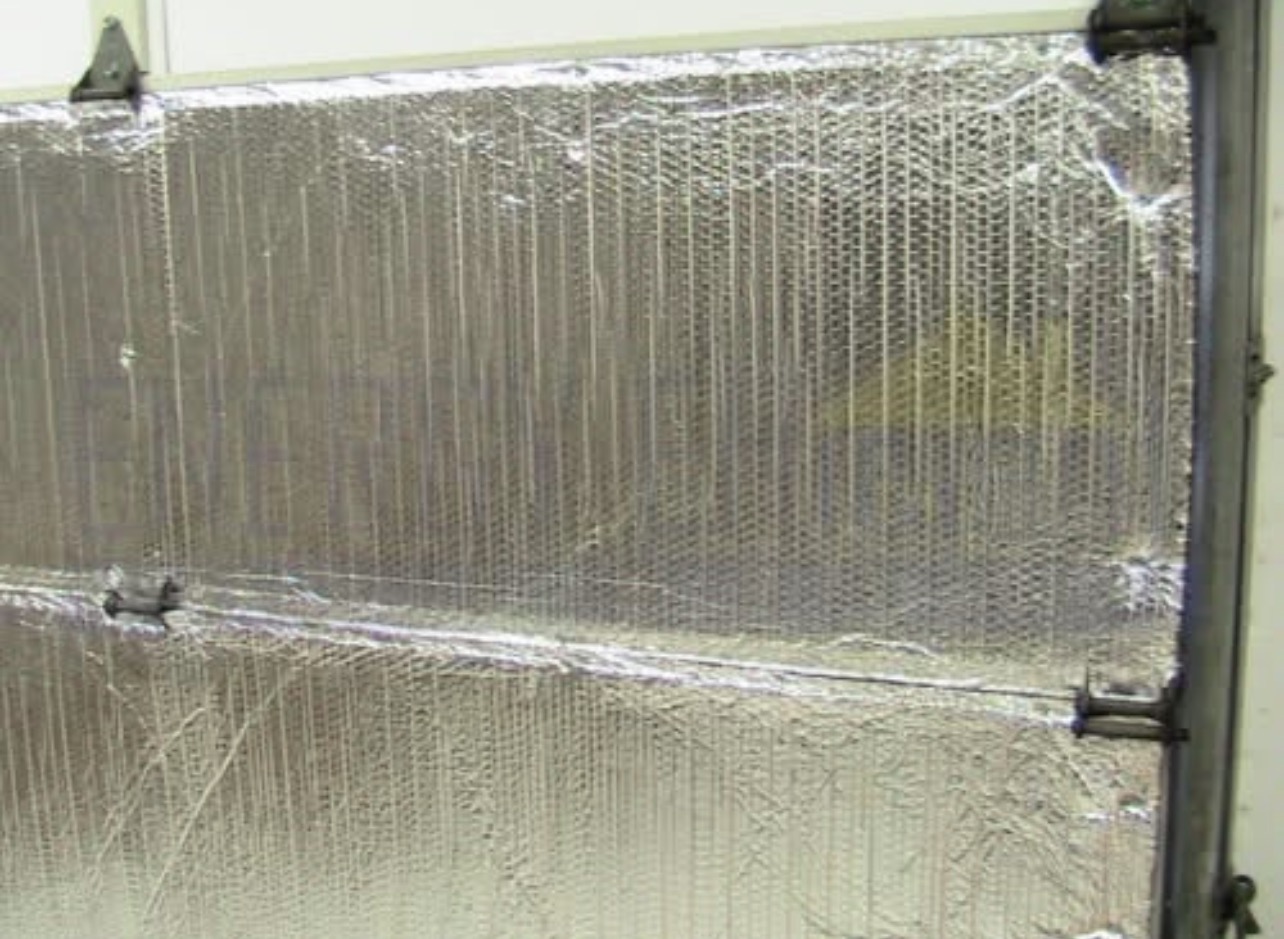
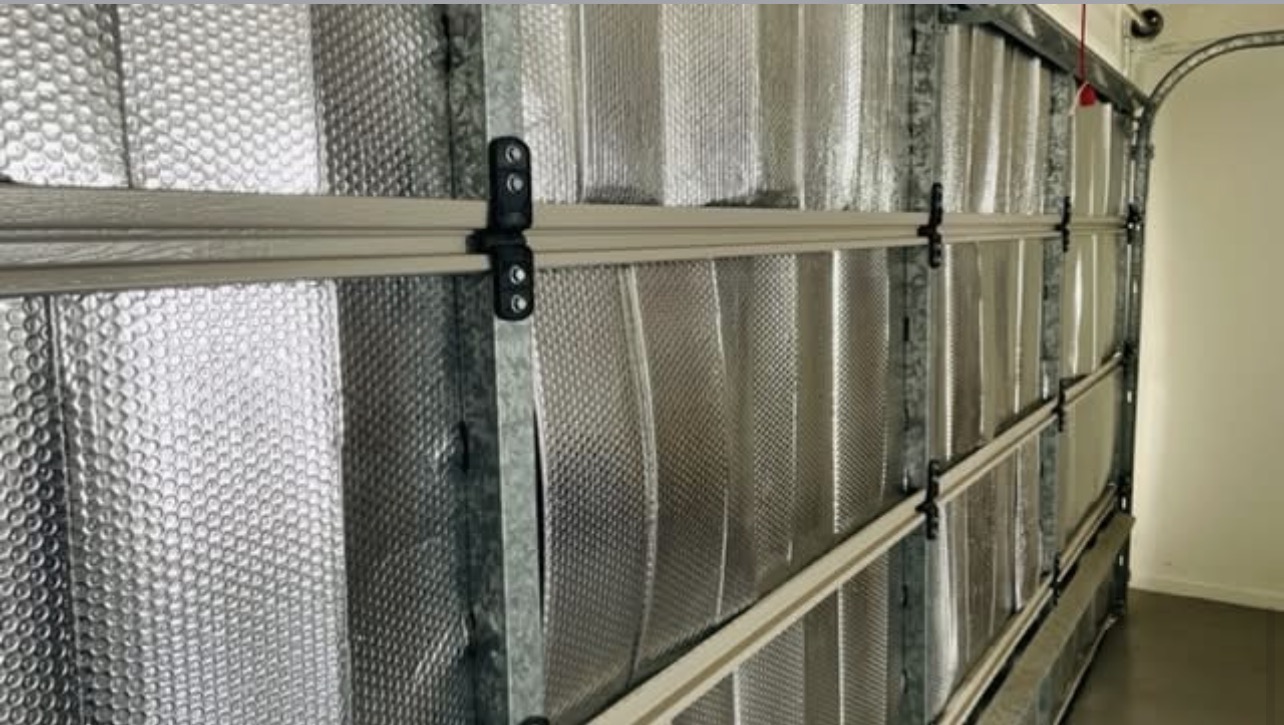
When we arrive, we are never surprised by what we find. The images below are from jobs all over Australia where our team has been called in to remove these failed foil products and install a solution that actually works. Sagging, peeling, and providing no thermal benefit, this is the reality of using cheap garage door insulation.

If you are looking for garage door insulation in Australia and are tempted by these stick-on foil kits, this article is for you. Here is the simple science behind why they fail, and what a real solution looks like.

The Frying Pan Test: Why Air Gaps are Essential

Let’s forget about garage doors for a second and think about a frying pan. Hold your hand a few inches above a hot pan and you will feel the heat radiating up. Now, have someone slide a sheet of aluminium foil between your hand and the pan, keeping it in the air. The heat almost completely stops. The foil is reflecting the radiant heat back down.
 
Now, press that same sheet of foil flat against the hot surface of the pan. Within seconds, the foil is just as hot as the pan, and the heat conducts straight through to your hand.
This simple test reveals the single most important rule of reflective insulation: it needs an air gap to work. The moment it touches the hot metal surface, its reflective properties become useless. As we explain in our dedicated article, .
 
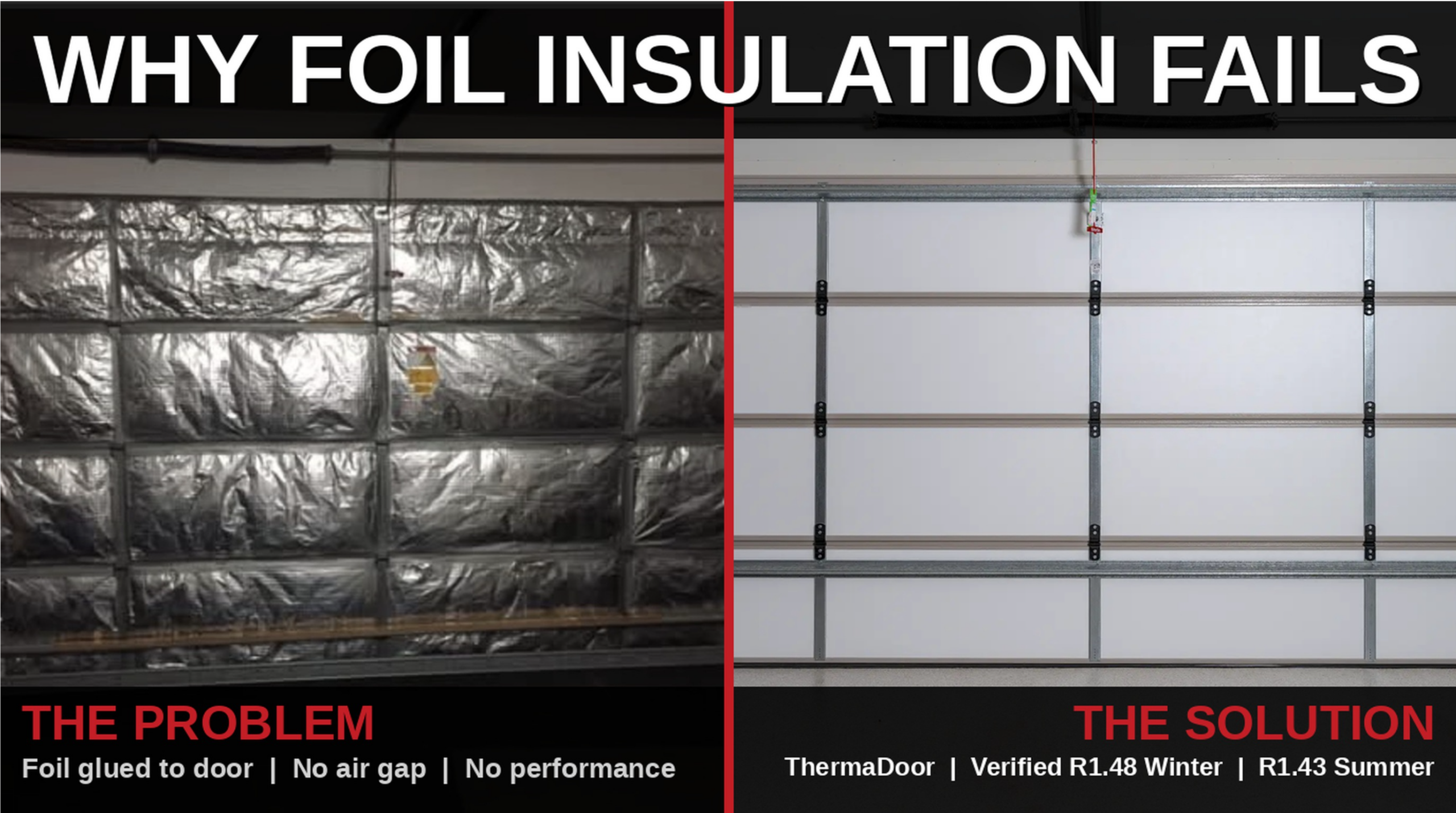
Gluing foil insulation directly to your metal garage door is the exact same thing as pressing it onto the hot frying pan. The heat from the sun-baked metal simply conducts straight through. It might be cheap garage door insulation, but it is also completely ineffective.

The R-Value Lie: Borrowing Numbers from a Wall

So how do these products claim to have any R-value at all? They are often just repurposed wall insulation, and they quote R-values from tests done in a wall cavity.
 
In a wall, the foil faces a large, still air gap of 70mm or more. The high R-value they advertise comes almost entirely from reflecting heat across that big gap. But as we have covered before, .
 
You cannot create a 70mm air gap on a sectional or tilt garage door. It is physically impossible. The R-value they are selling you is based on a scenario that does not exist in your garage. It is an irrelevant number used to make a product seem effective when it is not.
 
This is where ThermaDoor is fundamentally different. ThermaDoor was designed from the ground up as a complete insulation system for . Our product is not just a material; it is an engineered panel that is mechanically fixed to the door, preserving that crucial air gap and ensuring its performance is not compromised by the metal skin it is attached to.
 
Because of this, we do not rely on misleading material values or numbers borrowed from wall tests. ThermaDoor’s performance is stated as a total system R-value, calculated by independent engineers for the entire garage door assembly. You can read more about why this is the only number that matters in our . The results speak for themselves:
 
  • Winter R-Value: R1.48 (resisting heat loss)
  • Summer R-Value: R1.43 (resisting heat gain)

This is not a theoretical number from a wall. This is the verified, real-world thermal performance you get when you install ThermaDoor on your garage door. It is the difference between a product that looks like insulation and a system that actually is.

Don't Pay Twice for Garage Door Insulation

Every photo in this article represents a homeowner who paid for a cheap garage door insulation solution that did not work. They had to pay again to have the failed product removed and a proper one installed. The story is always the same: they were promised comfort and energy savings, and what they got was a shiny layer of plastic that made no difference.
 
Your garage door is one of the largest, most thermally exposed surfaces in your home. Insulating it properly can have a huge impact on the comfort of your garage and adjacent living spaces, as well as your energy bills.
 
But it has to be done right. Gluing a thin layer of reflective foil to the door is not the answer. The science does not support it, and the real-world results, as we see every day, are consistently poor.
 
If you want the , choose a purpose-built, engineered solution with a verified total system R-value. Choose ThermaDoor.
 
Ready to solve your garage temperature problem once and for all?

Your Questions About Garage Door Insulation, Answered

Q: Does reflective foil insulation actually work on garage doors?

A: Not when it is glued directly to the door. For reflective insulation to work, it needs a still air gap facing the foil surface. In a sectional or tilt garage door, the available air gap between the door skin and any insulation is only around 6 to 9mm. That is a fraction of the 70mm or more that wall-tested R-values are based on. When foil is pressed flat against the metal, heat conducts straight through and the reflective properties become irrelevant. This is why so many homeowners report that stick-on foil kits made no difference at all.

A: The most important thing is not the number itself but whether it is backed by an independent engineering report. Many products on the market quote R-values with no test report, no engineering documentation, and no methodology to explain how the figure was calculated. These numbers appear to be little more than a guess, and there is no way to verify them. Always ask for the engineering report. ThermaDoor’s system R-values of R1.48 winter and R1.43 summer are independently verified and calculated specifically for a garage door assembly, not borrowed from a wall or ceiling test.

A: There are two common reasons. The first is that the R-value has been taken from a wall test, which assumes a large air gap that simply does not exist on a garage door. The second is that no independent test report exists at all, and the number has been stated without any engineering basis. Under Australian Standards, R-values must be declared for the specific application and assembly. A figure quoted without a supporting test report should be treated with serious scepticism.

A: Absolutely, when it is done properly. A well-insulated garage door makes the space more comfortable year-round, protects stored items from extreme temperatures, and reduces heat transfer between the garage and adjacent living areas. The key word is properly. A product that cannot demonstrate its R-value with an independent report is unlikely to deliver the comfort and energy savings you are paying for.

A: Cheap foil kits are a single layer of material glued to the door. As explained above, this approach does not work because the available air gap in a garage door is only 6 to 9mm and the foil is in direct contact with the metal. ThermaDoor is an engineered insulation panel with a fire-retardant, closed-cell foam core. It is mechanically fixed to the door, preserving the air gap and providing a genuine thermal break. Most importantly, its performance is backed by an independent engineering report, not a number pulled from a wall test or stated without any supporting evidence.

A: Yes. ThermaDoor is available as a DIY garage door insulation kit. The panels are pre-cut to fit your specific door and come with everything you need for a straightforward installation. We also have a network of professional installers across Australia if you prefer to have it done for you.

A: The cost depends on the size of your door and whether you choose professional installation or a DIY kit. Cheap foil kits may appear to be a saving, but if they provide no thermal benefit, the real cost is everything you spent for no result. A purpose-built system with a verified R-value is a genuine long-term investment. Contact ThermaDoor for a free, no-obligation quote tailored to your door.
Further Reading

The following resources from Australian government and standards bodies provide the technical foundation behind the information in this article.
 
Australian Government – YourHome: Insulation The official Australian Government guide to insulation, covering how reflective insulation works and why an air gap is essential to its performance. www.yourhome.gov.au/passive-design/insulation
 
Australian Government – Department of Climate Change, Energy, the Environment and Water: Insulation and Draught Proofing Government guidance on insulation types, R-values, and energy efficiency for Australian homes. www.energy.gov.au/households/insulation-and-draught-proofing
 
AS/NZS 4859.1:2018 – Thermal Insulation Materials for Buildings The Australian and New Zealand Standard that governs how R-values must be tested, declared, and applied. This is the standard ThermaDoor’s system R-values are calculated in accordance with. store.standards.org.au/product/as-nzs-4859-1-2018
 
National Construction Code – Part 13.2 Building Fabric The National Construction Code requirement that insulation must comply with AS/NZS 4859.1 and be installed correctly to deliver its rated performance. ncc.abcb.gov.au/editions/ncc-2022/adopted/housing-provisions/13-energy-efficiency/part-132-building-fabric
Failed reflective foil garage door insulation compared to ThermaDoor properly insulated sectional door, Australia

ThermaDoor Installation

Let our experts handle installation for you
Or Ask Us A Question

Call, text, or send an enquiry below to see if we have an installer in your area.

Make an Enquiry