
Garage Door Insulation | Technical Resources & Industry Information
Trade & Industry Hub
Est. 2012
Australia's Original
Independently Tested
AS/NZS 4859.2:2018
Australian Made
Licence 7177
Purpose Built
For Garage Door Systems
What Makes ThermaDoor Different
Three Layers. Engineered as One
High-Density EPS Core
Flame retardant, construction-grade expanded polystyrene foam is the primary insulator in every ThermaDoor panel. It slows conducted heat transfer through the door — keeping your garage significantly cooler in summer and warmer in winter, year after year.
UV-Stable Vinyl Facing
Durable, flame retardant, UV-resistant vinyl facing protects the panel from Australia's harsh climate. It resists fading, cracking, and weathering — delivering a clean, professional finish that holds its appearance and structural integrity for the life of the door.
Sisalation Foil Backing
Bonded to the back of every panel, this construction-grade foil reflects radiant heat, acts as a Class 2 vapour barrier, and achieves Group 1 fire performance classification. It's the same foil used to wrap Australian homes — completing the three-layer system.
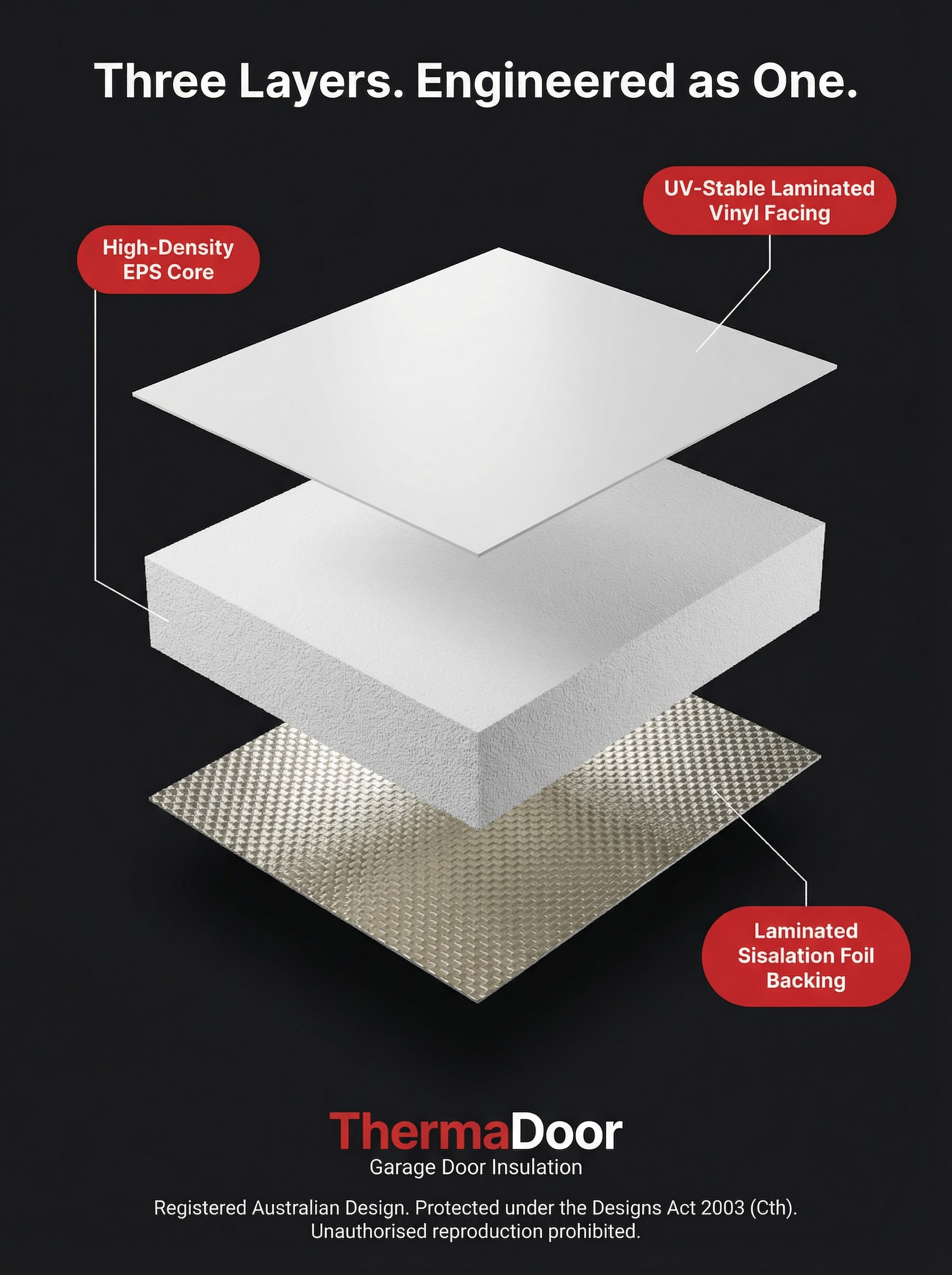
Registered Australian Design. Protected under the Designs Act 2003 (Cth). Unauthorised reproduction prohibited.
Partner With Australia's Leading Garage Door Insulation
Interested in Becoming a ThermaDoor Distributor?
- Customers ask for ThermaDoor by name — pre-sold demand before you quote
- Reliable supply and delivery — give customers a firm timeline, not a maybe
- No callbacks — factory-laminated panels do not delaminate or sag
- NCC aligned — relevant for new build and renovation quoting
What Our Distributors Say
Chloe from Show It Off Home Improvements (Hervey Bay & Fraser Coast) shares her experience as a ThermaDoor distributor.
“One of the easiest companies we have ever worked with. Customers ask for ThermaDoor by name — and the reliable timelines mean we can give customers a firm date.”
— Chloe, Show It Off Home Improvements, Hervey Bay & Fraser Coast
See the Difference ThermaDoor Makes
Real installs. Real results. Read the full comparison.
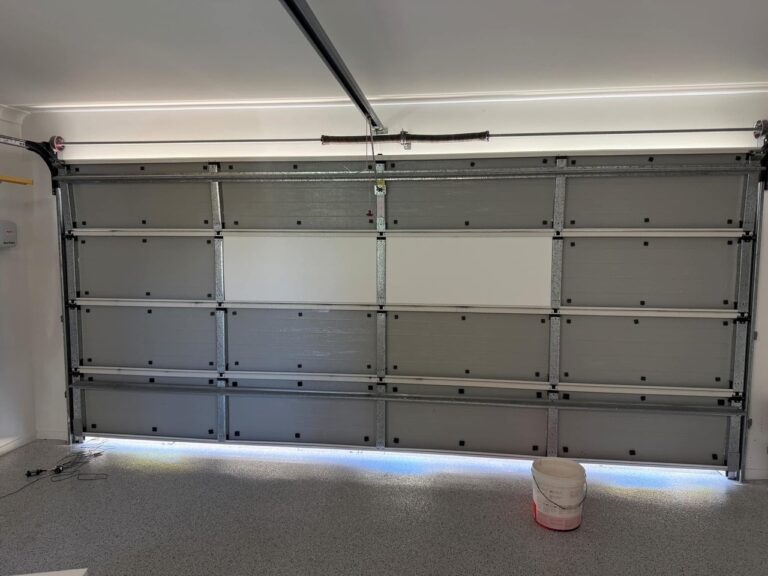
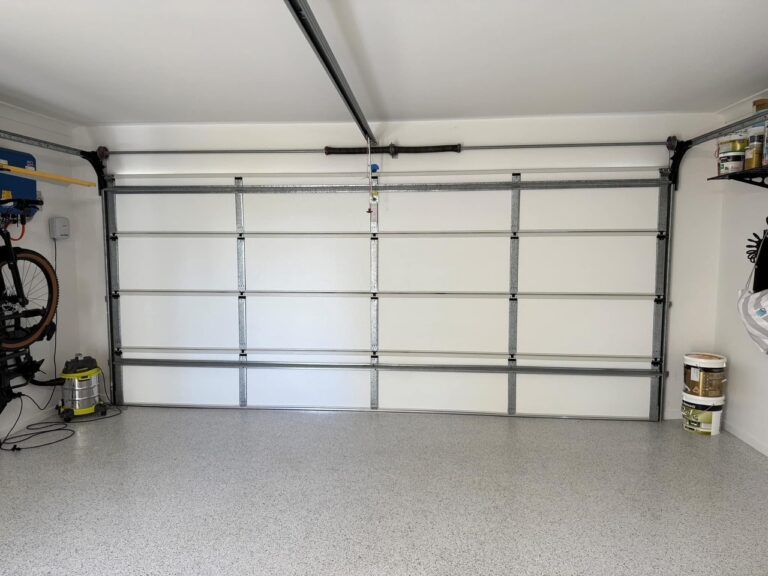

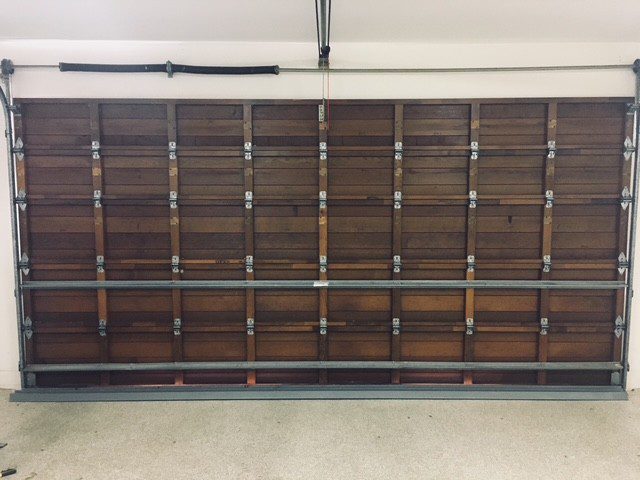
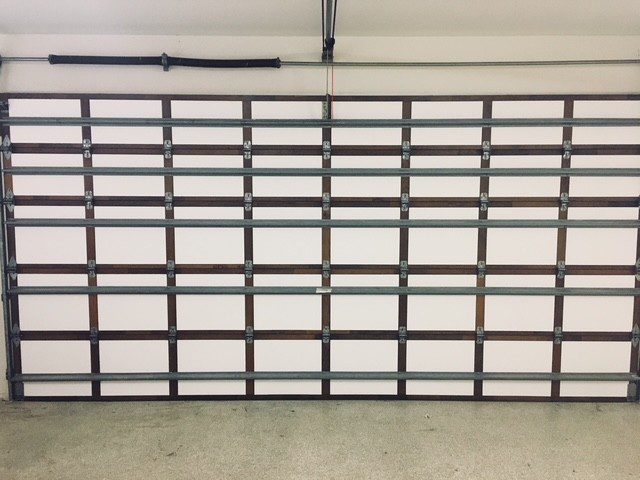
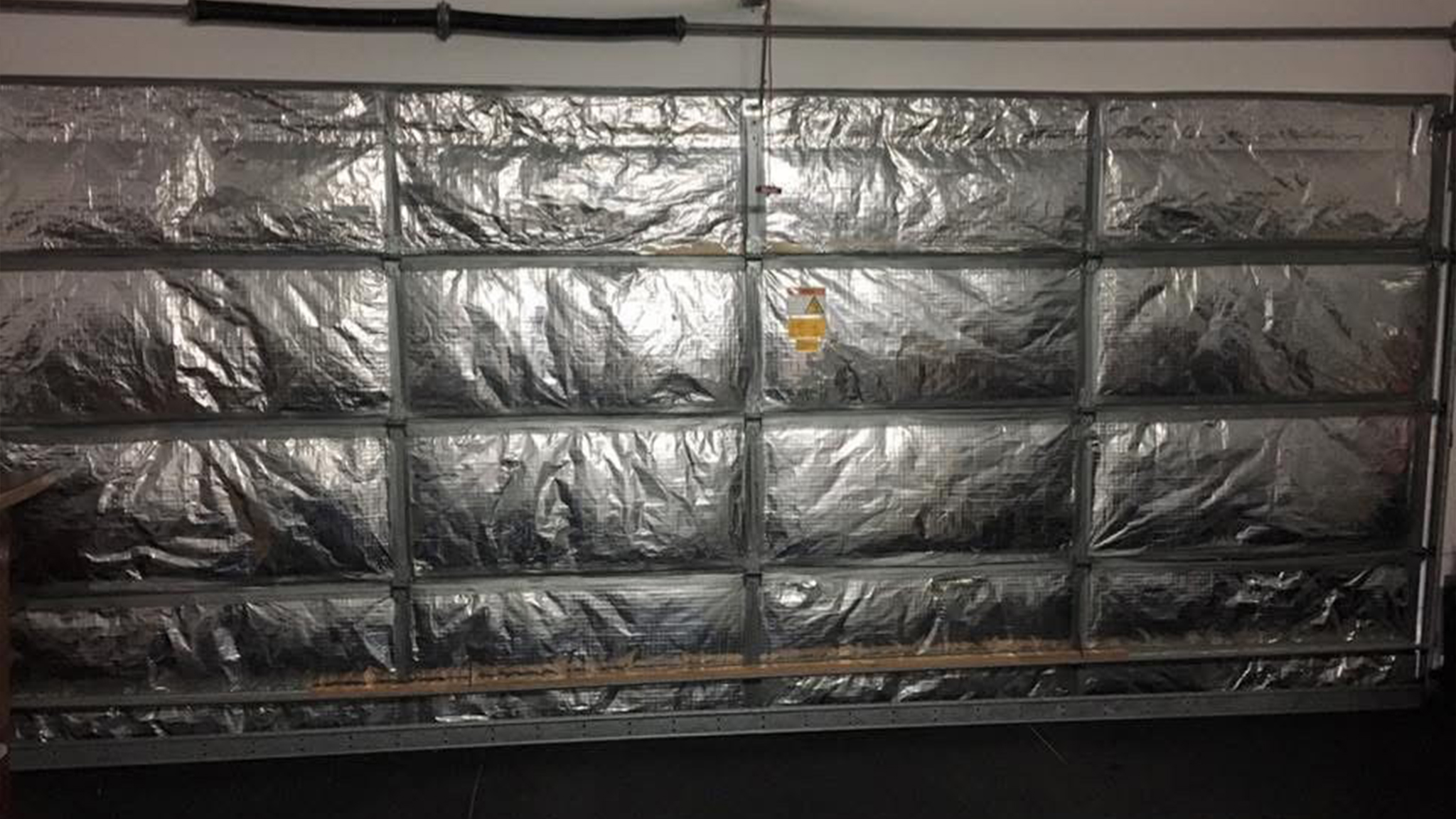
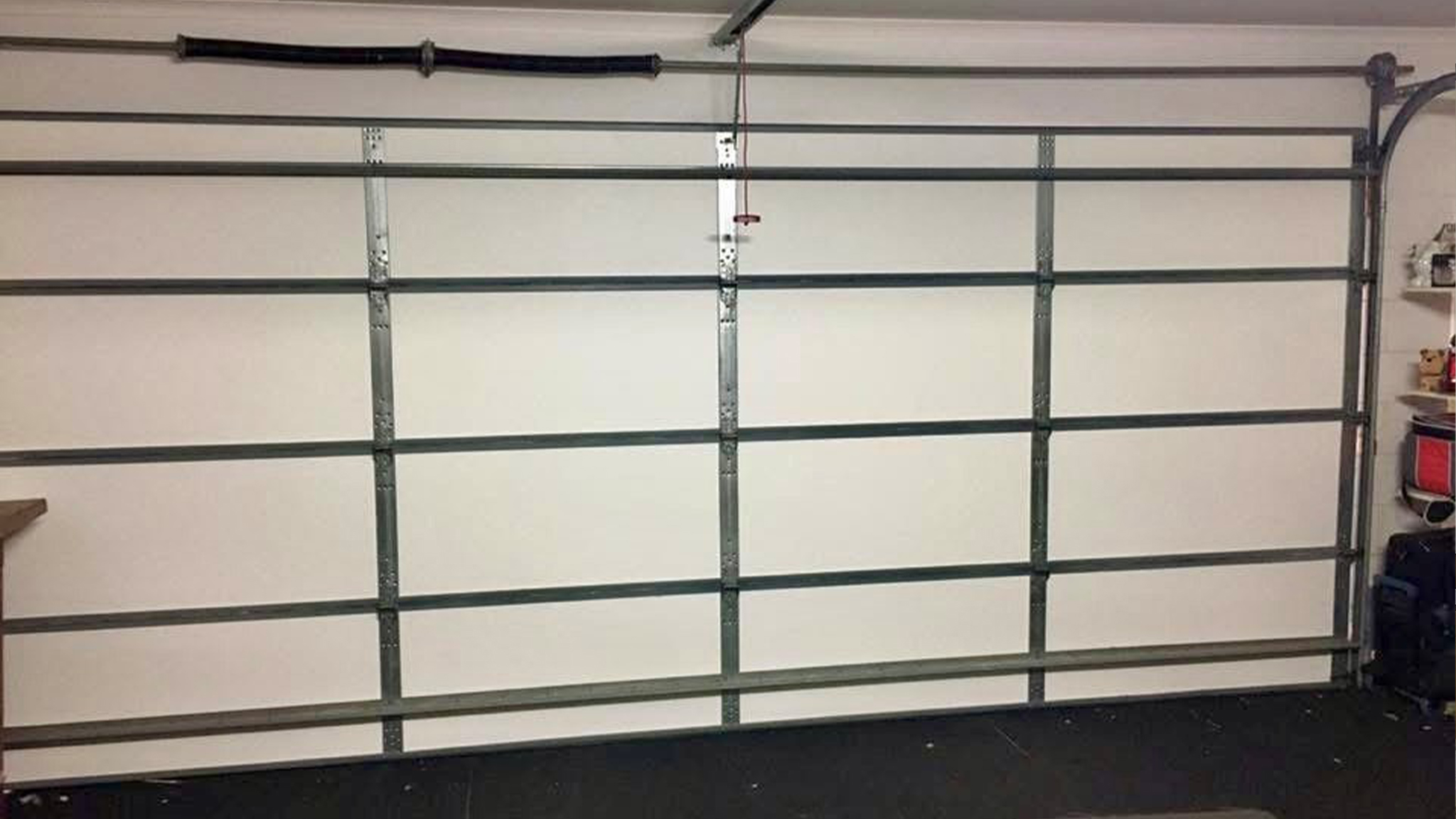
Want to know more about foil products used as garage door insulation? Read our blog Failed Reflective Foil Insulation: Common Mistakes We See Across Australia.
| Before ThermaDoor | After ThermaDoor | |
|---|---|---|
| Summer temperature | Garage reaches 50°C+ | Noticeably cooler — less heat into adjoining rooms |
| Winter comfort | Cold, damp, unusable space | Warmer and more usable year-round |
| Noise | Traffic and rain echoes through | Significantly reduced outside noise |
| Energy bills | Heat transfers into home, AC works harder | Reduced heat load on your cooling system |
| Insulation fit | Generic products that don’t fit properly | Purpose-built panels cut to your exact door |
| Installation | Complicated DIY with wrong materials | Simple DIY kit or professional supply & install |
ThermaDoor Warranty
ThermaDoor panels are backed by a manufacturer’s warranty covering defects in materials and workmanship. Our warranty reflects our confidence in the quality of Australian-made construction — because a product built to last should be guaranteed to last.
For Builders, Designers & Energy Assessors
ThermaDoor is Australia’s only purpose-built garage door insulation with independently tested, dual-season R-values — R1.43 (winter) / R1.39 (summer) — calculated to AS/NZS 4859.2:2018 and accepted as NatHERS inputs. Designed from the ground up for sectional and tilt garage doors, it is the only product that allows your energy assessor to include the garage door in thermal modelling with confidence.
Declared Assembly R-Values
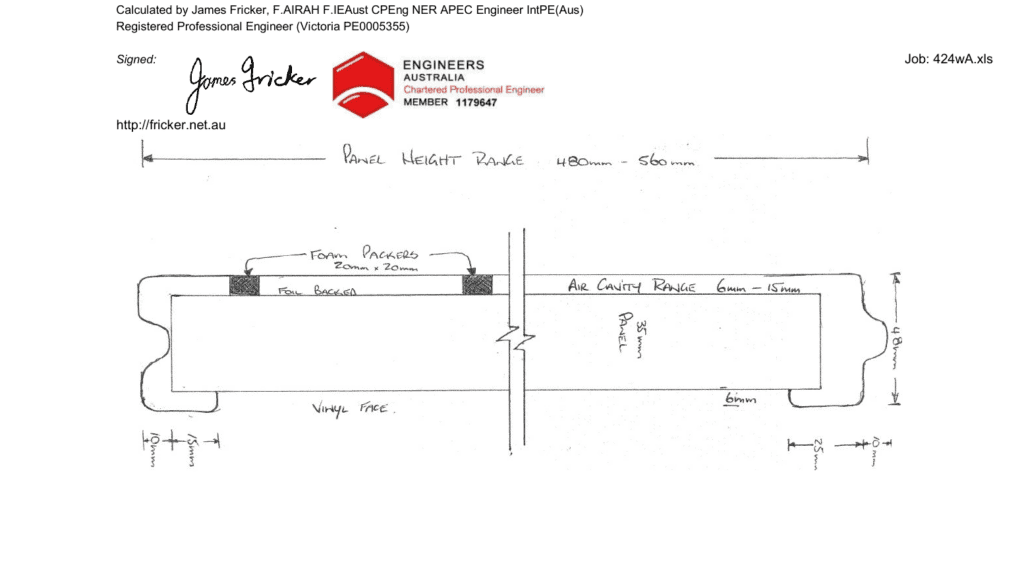
Dual-season door assembly R-values — R1.43 (winter) / R1.39 (summer) — calculated to AS/NZS 4859.2:2018 and supported by independent engineering documentation
Flammability Classified & Vapour Managed
ThermaDoor Premium carries the correct flammability classification for insulation under AS 1530.2. The bonded sisalation foil backing achieves Group 1 fire performance classification and acts as a Class 2 vapour barrier — meeting NCC requirements for residential construction
Supports Your 7-Star Target
Because ThermaDoor provides assembly R-values backed by engineering documentation, energy assessors can include the garage door in NatHERS thermal modelling — helping achieve 7-star outcomes
Why the Garage Door R-Value Matters in NatHERS & the NCC
Under Australia’s National Construction Code (NCC):
- All building fabric insulation must meet AS/NZS 4859.1:2018 and
- Use total/system R-values must be determined in accordance with AS/NZS 4859.2:2018
This is the same framework your energy assessor applies in performance modelling. This means including a tested garage door R-value can make the difference between reaching and not reaching 7-star targets – especially when margins are tight.
That’s where ThermaDoor garage door insulation stands out.
ThermaDoor is the only Australian garage door insulation brand that publishes dual-season, door assembly R-values -R1.43 (winter) / R1.39 (summer) – now a requirement under the NCC.
Key Specs (At A Glance)
| Specification | Detail |
|---|---|
| Application | Sectional and tilt garage doors — new builds and major renovations |
| Panel Thickness | 35mm |
| Declared R-Value (Winter) | R1.43 |
| Declared R-Value (Summer) | R1.39 |
| R-Value Type | Dual-season door assembly (system) values — not material or wall values |
| Standards Framework | AS/NZS 4859.1:2018 (materials and test methods) and AS/NZS 4859.2:2018 (total/system R-value determination) |
| Fixing Method | Mechanical fixing — no adhesive or glue |
| Flammability | Flame-retardant EPS core — tested to AS 1530.2 |
| NCC Compliance | Aligned with NCC building fabric provisions |
| NatHERS Support | Declared values suitable for NatHERS 7-Star design inputs |
Thermal bridging makes garage doors a special case – see our detailed blog on Why Your Garage Door Has An R-Value of Zero – And How to Fix it
Garage Door Insulation FAQs for Builders & Energy Assessors
Can I use wall or ceiling R‑values for a garage door in NatHERS?
No. Wall and ceiling R-values are calculated for static building elements. A garage door is a moving assembly with different thermal properties — it requires a door assembly R-value calculated specifically to AS/NZS 4859.2:2018 to be used as a valid NatHERS input.
Where do the ThermaDoor R‑values come from?
ThermaDoor R-values are independently calculated by James M Fricker, F.AIRAH F.IEAust CPEng, Registered Professional Engineer (Victoria PE0005355), to AS/NZS 4859 Parts 1 & 2:2018. The declared values are R1.43 (winter) and R1.39 (summer) for the door assembly.
Does garage‑door insulation help achieve 7‑Stars?
Yes — when the garage door has a declared assembly R-value supported by engineering documentation, your energy assessor can include it in NatHERS thermal modelling. In homes where the garage is attached or the garage door faces a thermally significant direction, this can make a measurable difference to the star rating outcome, particularly when margins are tight.
Is this recognised in the NCC?
ThermaDoor R-values are calculated to AS/NZS 4859.2:2018, which is the methodology referenced by the NCC for total/system R-value determination. The product meets the framework the NCC requires for insulation to be assessed in performance modelling.
What about a material R-value (sometimes referred to as a 'standalone' R-value)?
A material R-value measures only the insulation layer in isolation. An assembly R-value — which is what ThermaDoor publishes — accounts for the full door system including air gaps, facing materials, and thermal bridging. The assembly R-value is what NatHERS assessors need and what the NCC methodology requires.