Australia's Original
AS/NZS 4859.2:2018
Licence 7177
For Garage Door Systems
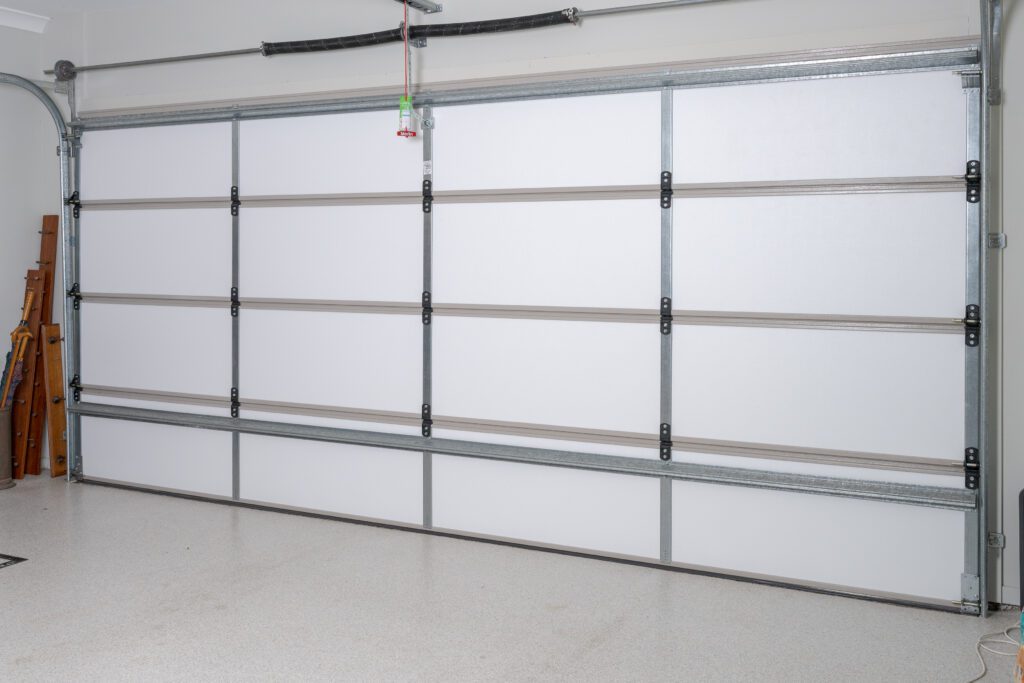
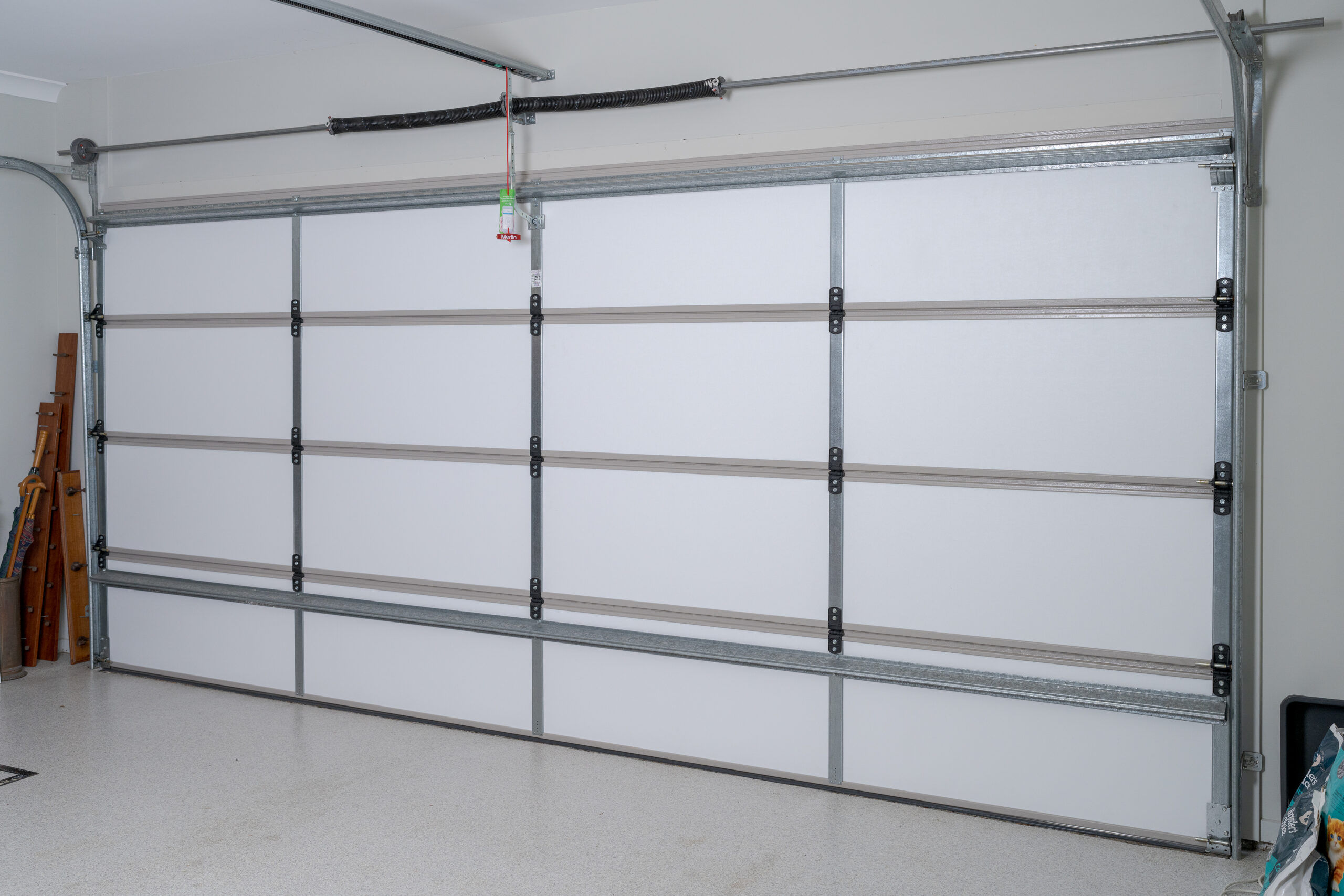
When writing your NDIS home modification assessment, you need solutions that directly address the “reasonable and necessary” criteria under the NDIS Act. ThermaDoor provides a measurable, structural modification that supports participants with conditions affecting thermoregulation — including Multiple Sclerosis, Spinal Cord Injury, and sensory processing differences.
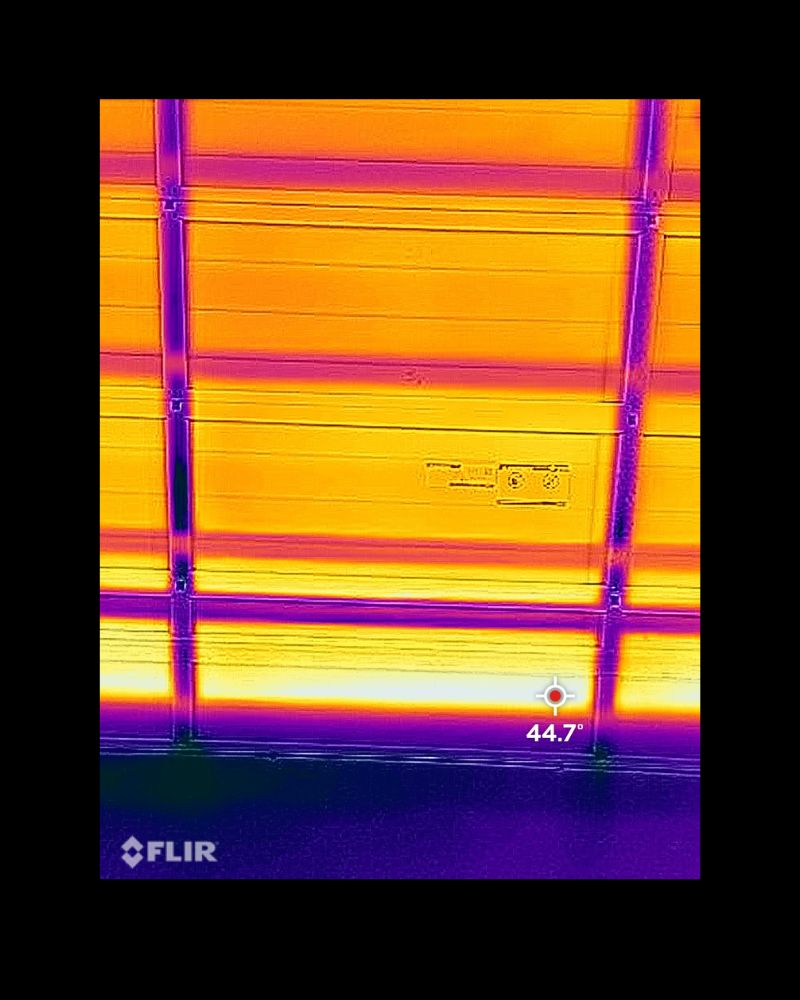
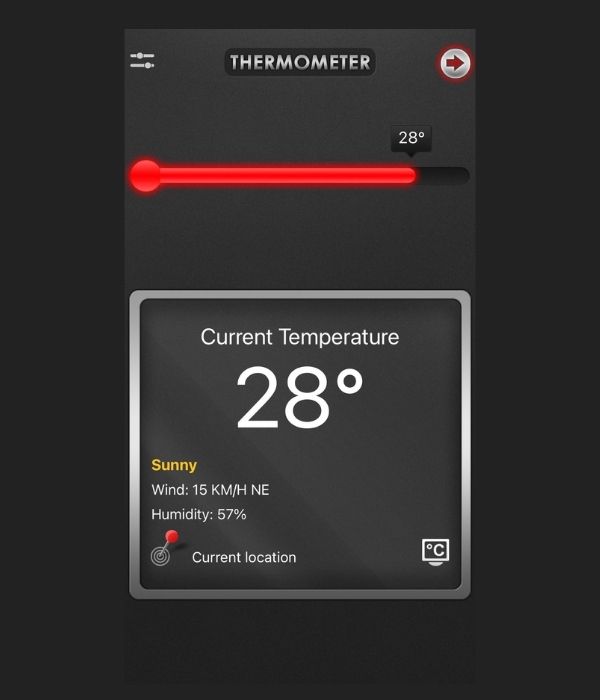
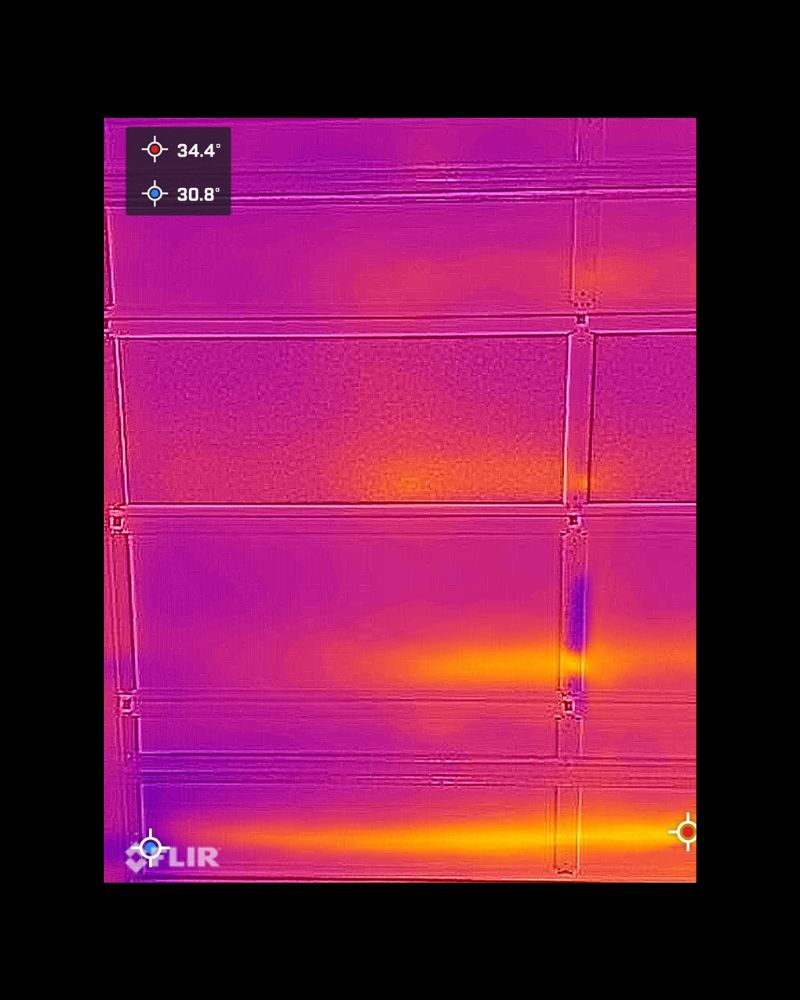
Reduces radiant heat transfer, mitigating environmental triggers for heat-sensitive participants. Independently captured with FLIR thermal imaging — not a manufacturer claim.
Backed by engineering reports, providing the evidence base your NDIA submission needs. We provide assembly R-values, not just material R-values.
By stabilising the home's thermal environment, participants can maintain focus, mobility, and independence without the physiological drain of extreme heat or cold.
Typically qualifies as a Category A Minor Home Modification under NDIS Capital Supports — significant functional impact, no structural changes to the building envelope.
Installed by our network of distributors across Australia. For NDIS modifications, professional installation ensures quality and compliance. We do not recommend DIY for NDIS-funded modifications.
Built to meet rigorous safety standards. Safe for use in enclosed garage environments.
The white vinyl face brightens the space, turning the garage into a comfortable, usable extension of the home.
ThermaDoor installations are funded under the NDIS Capital Supports budget, within the Home Modifications category. Depending on the participant’s location and door requirements, it generally qualifies as a Minor Home Modification (Category A) — meaning a suitably qualified occupational therapist can assess and recommend it without the need for a specialist home modifications assessor.
The occupational therapist identifies the thermal barrier to independence and recommends garage door insulation, linking it to the participant's disability-related functional goals and NDIS plan.
Contact our team. We provide a detailed, itemised quote suitable for NDIA submission — including product specifications and installation scope.
The support coordinator or plan manager submits the quote with the OT report to the NDIA for approval.
Once approved, our professional installation network completes the job quickly and cleanly. Most installations are done in a single visit.
Yes. The NDIS can fund garage door insulation as a Minor Home Modification under the Capital Supports budget, provided an occupational therapist links the modification to the participant’s disability-related functional needs. Conditions such as Multiple Sclerosis, Spinal Cord Injury, and sensory processing differences often involve thermoregulation difficulties that make an uninsulated garage door a genuine barrier to independence. ThermaDoor provides independently verified thermal data to support your OT report and NDIA submission.
Home insulation modifications are funded under NDIS Capital Supports — Home Modifications. ThermaDoor garage door insulation typically qualifies as a Category A Minor Home Modification (under $10,000), which means a suitably qualified occupational therapist can assess and recommend it without the need for a specialist home modifications assessor.
Disabilities that commonly involve thermoregulation difficulties include Multiple Sclerosis (MS), Spinal Cord Injury (SCI), Traumatic Brain Injury (TBI), and some sensory processing differences. If your disability affects your ability to tolerate temperature extremes and this impairs your independence, safety, or capacity building at home, a thermal modification may meet the NDIS “reasonable and necessary” criteria.
The occupational therapist needs to document the functional impact of the thermal environment on the participant’s independence and link the recommended modification to a goal in the participant’s NDIS plan. ThermaDoor provides FLIR thermal imaging data and independent engineering R-value reports to support your clinical reasoning and strengthen the NDIA submission.
No. ThermaDoor is not required to be a registered NDIS provider for home modifications. Plan-managed and self-managed NDIS participants can engage any qualified supplier. NDIA-managed participants should confirm eligibility with their NDIS contact or support coordinator before proceeding.
Call, text, or send an enquiry below to see if we have an installer in your area.
"*" indicates required fields